



















Project
1/ sale kameralne / sale prób / przestrzenie edukacyjne / rezydencje artystyczne / rama z tarasem spacerowym / kawiarnia / biura
2/ sala prób chór / szatnie / biuro obsługi widzów / toalety
3/ pomieszczenia recepcyjne i wielofunkcyjne / toalety
4/ kasy biletowe / księgarnia muzyczna / kawiarnia / przestrzenie edukacyjne i wielofunkcyjne
5/ Akademia Sinfonia Varsovia / przestrzenie edukacyjne / sala kameralna / sala prób
6/ główna sala koncertowa na 1850 miejsc / sala kameralna / studio nagraniowe / kasy biletowe / kawiarnia / garderoby i ćwiczeniówki muzyków / zaplecze techniczne
7/ rama z tarasem spacerowych
8/ ogród połączony z Parkiem Obwodu Praga AK i ul. Terespolską / fontanna
The international architectural competition for the design of the new headquarters of Sinfonia Varsovia and the development of the area at 272 Grochowska Street was settled in 2010. The jury selected the winning concept – a design by Atelier Thomas Pucher from Graz – from among 138 works.
In October 2015, in the presence of Hanna Gronkiewicz-Waltz, the Mayor of the Capital City of Warsaw, a contract for the preparation of design documentation was signed. The stage was completed in 2021.
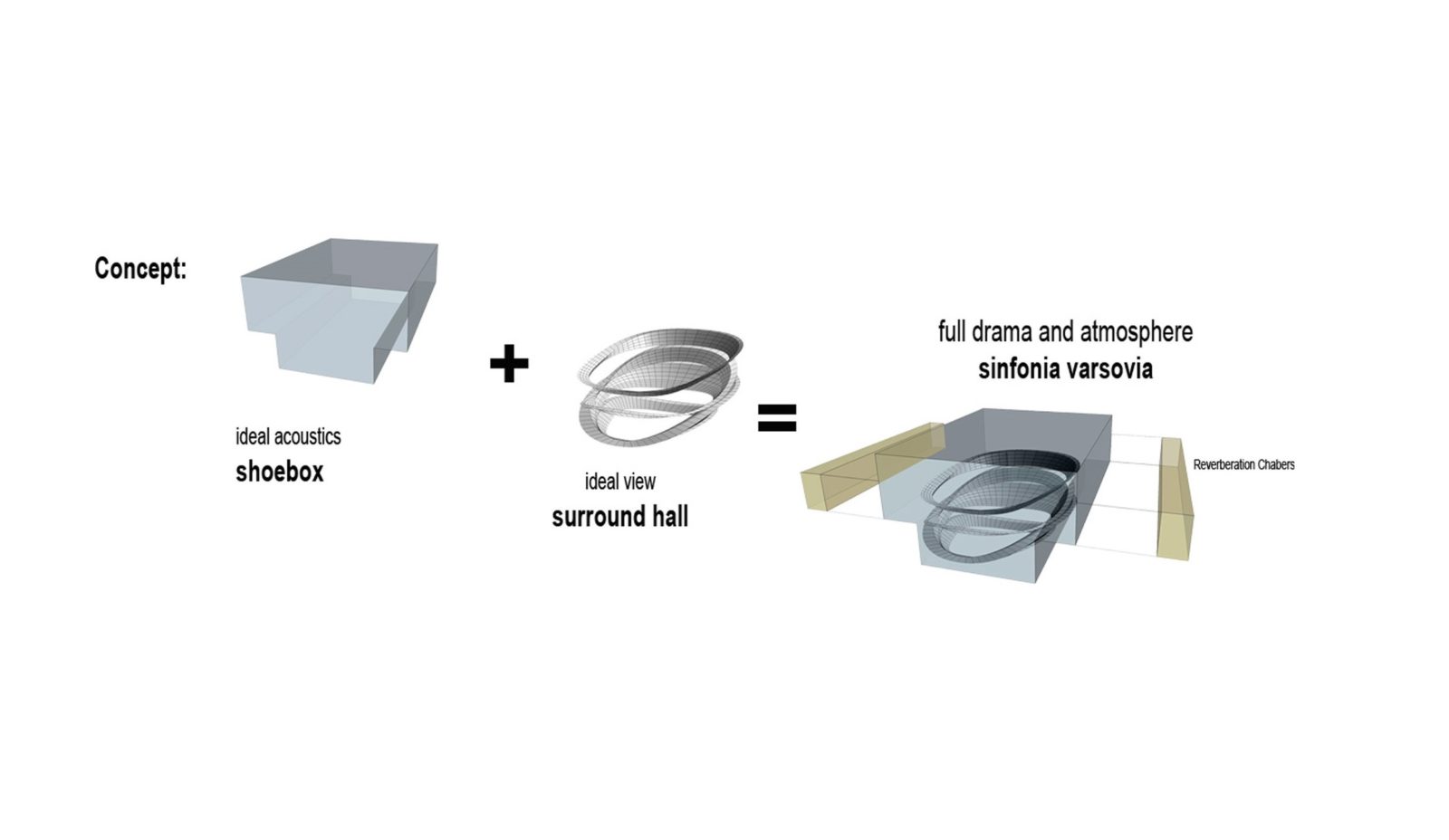
The investment was divided into two phases. The first, which includes the modernization of three historic front buildings and the construction of underground infrastructure, is nearing completion and, according to the latest schedule, will be delivered in mid-2026. The renovated premises will include two chamber music halls, educational spaces, artist residences, a restaurant and café, and technical facilities. The second phase includes the construction of Poland’s largest concert hall – with 1,877 seats – whose design was created in cooperation with renowned acousticians from Berlin (Müller-BBM) and Brussels (Eckhard Kahle Acoustics). Its form combines the traditional shoebox layout with modern vineyard typology. The tender for this phase was announced on May 13, 2025, and work is scheduled for completion in 2030.
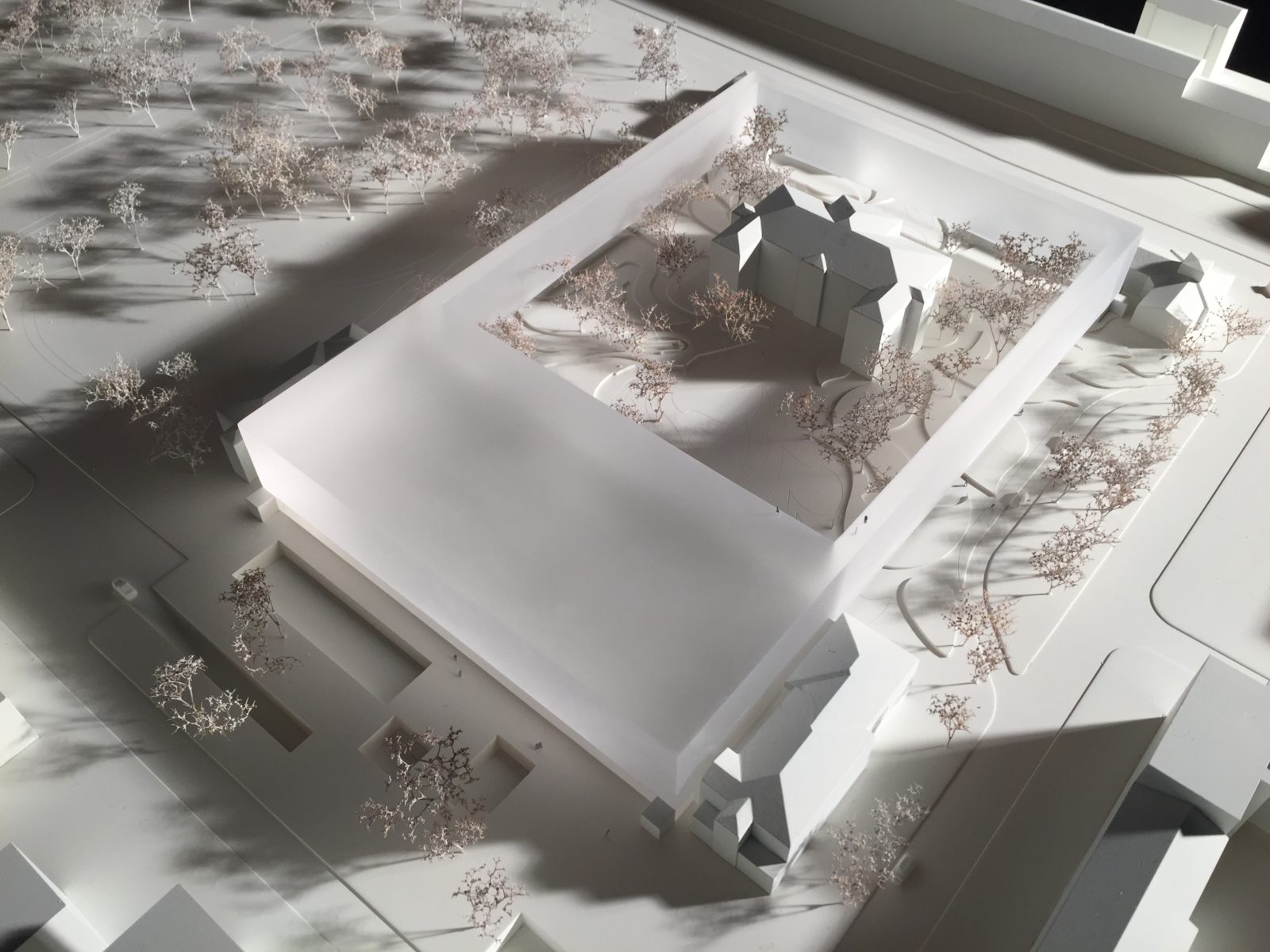
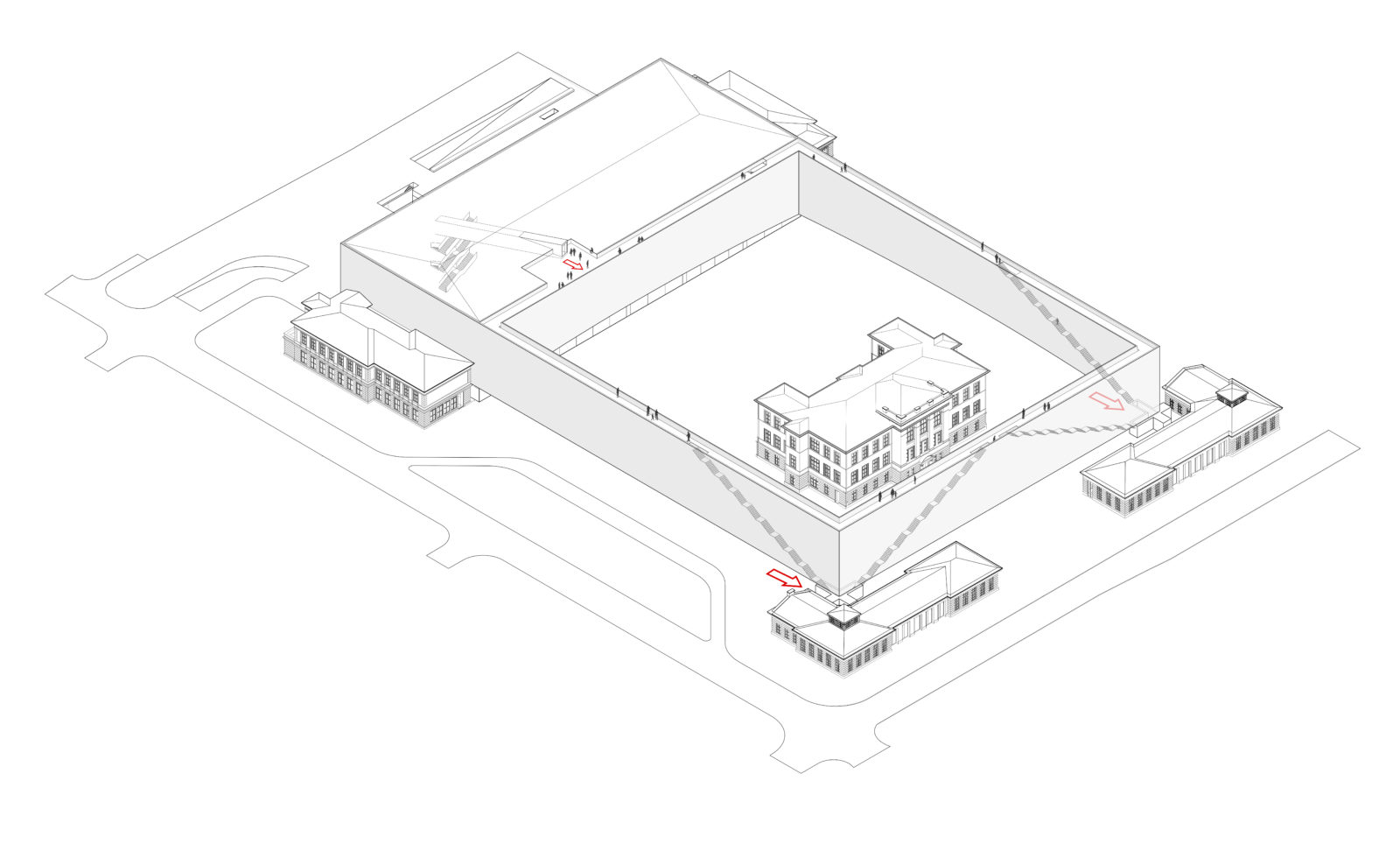
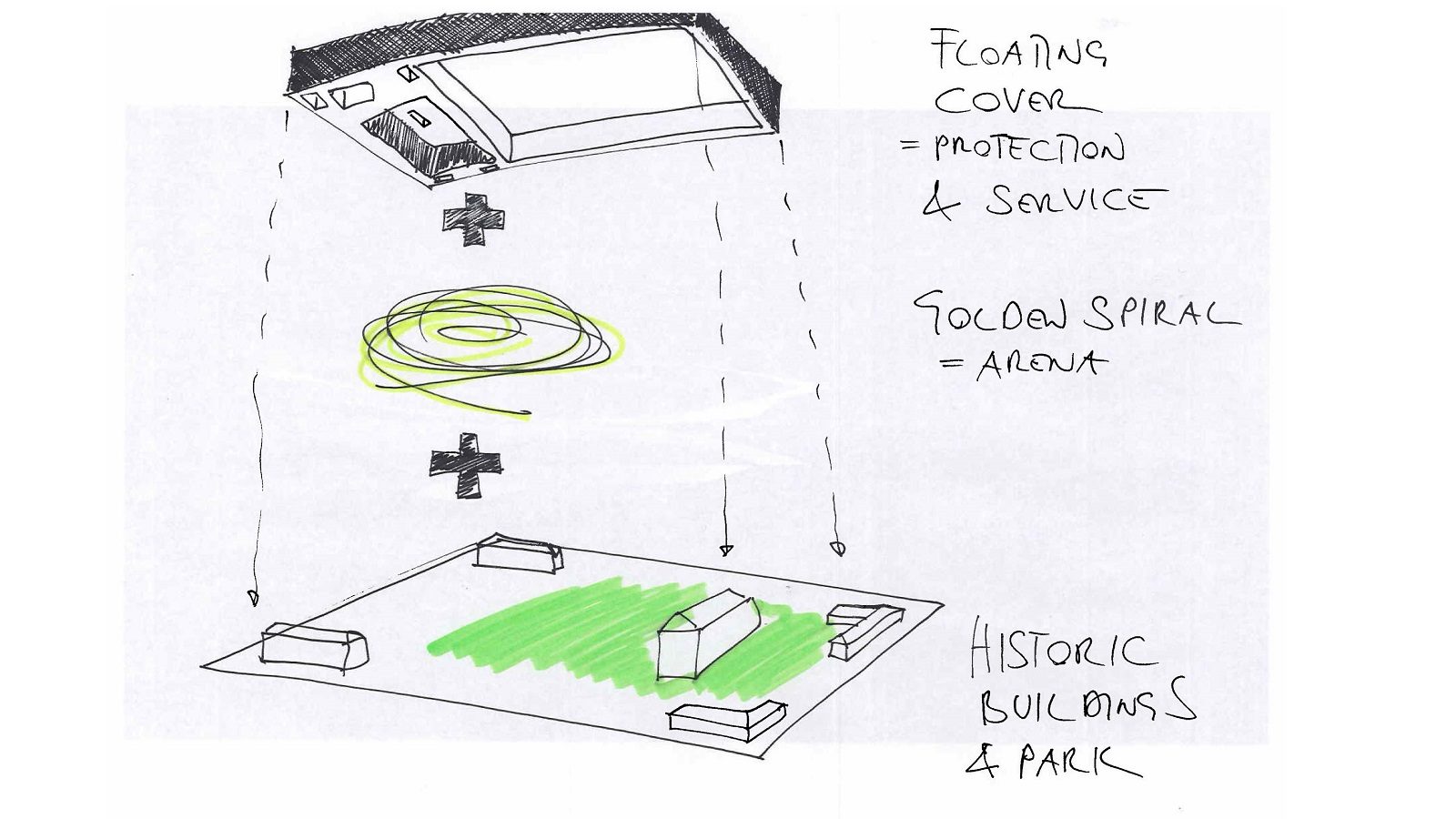
Ultimately, the project will include the restoration of five historic buildings of the former Institute of Veterinary Medicine, and the area around them will be transformed into a public garden space connected to an adjacent park. A lattice frame “suspended” more than 3 meters above the ground, with stairs leading to a promenade with a sweeping view of Warsaw, will be an integral part of the complex.
The aim of the investment is to create a modern cultural center of Warsaw – a place filled with music, open for education, recreation and meetings – with Sinfonia Varsovia at its heart. By integrating artistic, social and spatial functions, the project will provide residents with access to a multidimensional cultural infrastructure.


Place
The Sinfonia Varsovia Orchestra found its own home only in 2010 – the former Veterinary Institute in the historic Kamionek district of Praga Południe, a major district of Warsaw. The property is outlined by Grochowska and Terespolska streets, and to the east lies the Obwodu Praga Armii Krajowej Park. The history of Kamionek, formerly referred to as the hamlet of Kamion harks back to the Middle Ages. It became a part of Warsaw only in 1889.
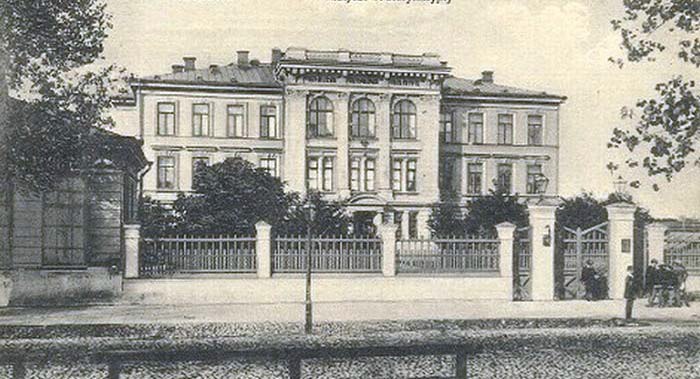
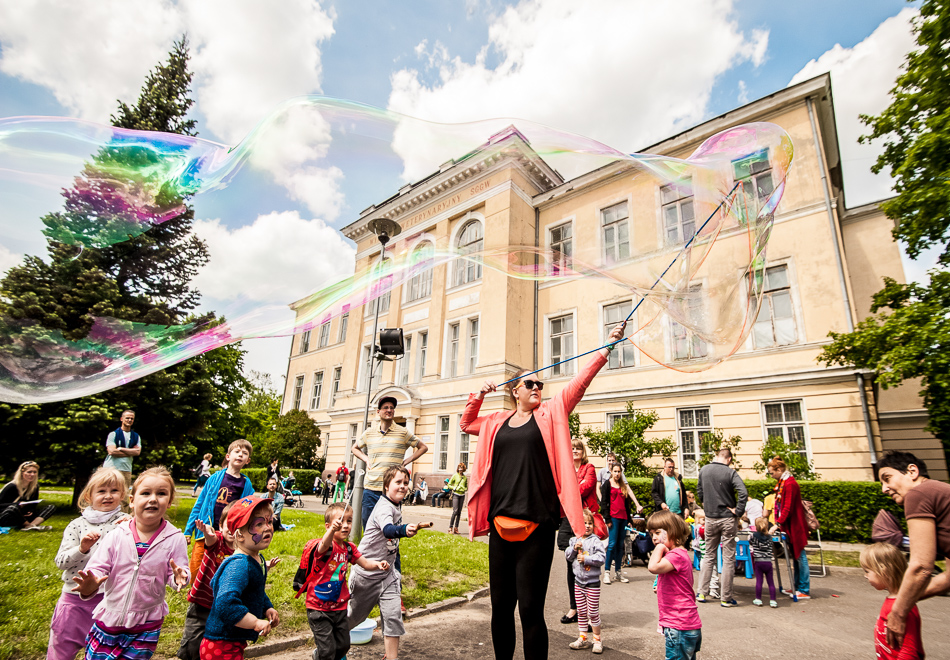
Before music became a permanent fixture at 272 Grochowska Street in Kamionek, this place was for decades associated primarily with animals, as well as with science and didactics. Sinfonia Varsovia received its headquarters here in 2010, in the complex of the former Institute of Veterinary Medicine, in what is now Praga-Południe district. The complex is located in the historic Kamionek neighborhood – an area with medieval roots, incorporated into the borders of Warsaw in 1889.
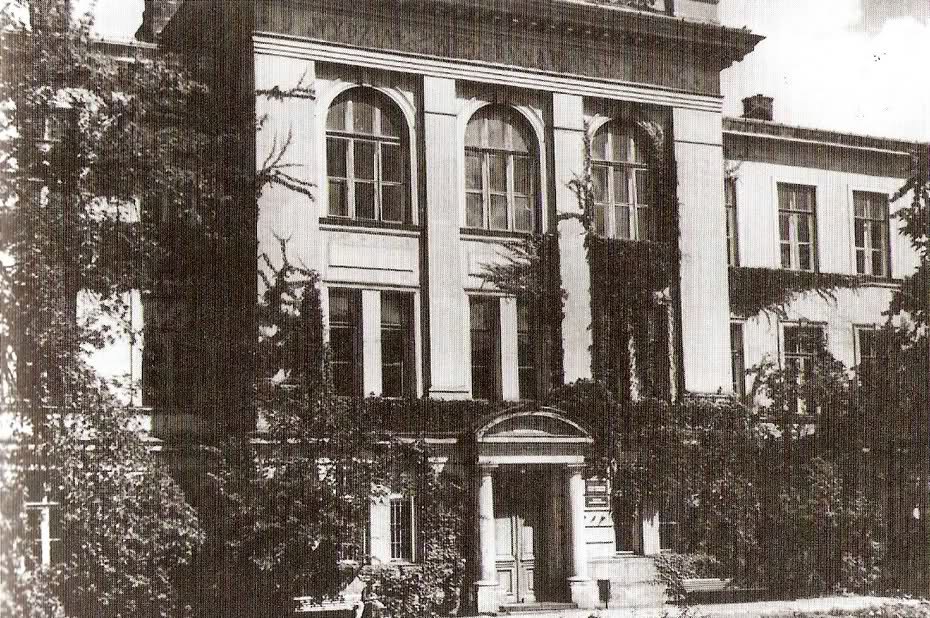
The genesis of the building complex at 272 Grochowska Street dates back to the turn of the 19th and 20th centuries. It was erected in 1898–1900, according to a design by Włodzimierz Pokrowski, in a historicizing style. From the beginning it was an exceptionally intelligible spatial arrangement: the representative main building, pavilions on the side of Grochowska Street and outbuildings in the depth of the area formed a composition of clear axiality and quasi-palace character. In 2008, the key elements of the complex (the main building, two pavilions and two outbuildings) were entered in the register of monuments, which emphasizes their rank in the architectural landscape of this part of Warsaw.
The history of the site is at the same time the history of Polish and Warsaw higher education development. Initially, the facilities served as the headquarters of the Warsaw Institute of Veterinary Medicine in 1898–1918, and then – after regaining independence – the complex became an educational facility for the veterinary study at the Faculty of Medicine of the University of Warsaw (1918–1927). In 1927, the Faculty of Veterinary Medicine at the University of Warsaw was already operating at the site, and the complex was expanded in 1930, in response to the growing needs of the university and its teaching infrastructure.
After World War II, the buildings continued to be an important scientific center. The year 1952 proved to be a pivotal moment, when the facilities began to be used by the Faculty of Veterinary Medicine of the Warsaw University of Life Sciences (WULS-SGGW). The complex served this function for decades to come – until 2005, when the university ended the use of the Grochowska Street site. During that time, the buildings – including the younger ones, added after 1925 – were used as educational, office and business facilities, among other things, and the entire complex retained its “campus” character.
A new chapter in the history of the complex at 272 Grochowska Street began when the City of Warsaw repurchased the property from WULS-SGGW in 2009, and then transferred it for the purpose of a cultural institution. In 2010, the site became the home of Sinfonia Varsovia, and an international architectural competition for the design of a new concert hall and site development was announced in parallel. The competition was resolved in November 2010 – the jury selected the concept prepared by the Atelier Thomas Pucher studio from Graz, and the design is being implemented.

Institution
Sinfonia Varsovia jest ambasadorką polskiej kultury muzycznej od początków swojego istnienia. Orkiestra od 40 lat stale gości na zagranicznych i krajowych estradach. Jej zagraniczne podróże to tysiące spotkań z dyrygentami, kompozytorami, solistami, wreszcie – publicznością.
Sinfonia Varsovia has been an ambassador of Polish musical culture since its inception. The orchestra has been a constant guest on foreign and domestic stages for more than 40 years. Its foreign tours include thousands of meetings with conductors, composers, soloists and, finally, audiences.
The ensemble continues the tradition of Jerzy Maksymiuk’s Polish Chamber Orchestra, founded in 1972, from which it emerged as a result of the enlargement. The impetus to expand the ensemble was provided in 1984 by the arrival of legendary violinist Yehudi Menuhin, who soon took over as the first guest conductor at the invitation of directors Franciszek Wybrańczyk and Waldemar Dąbrowski. “Working with no other orchestra gave me as much satisfaction as my work, as a soloist and conductor, with the Sinfonia Varsovia Orchestra,” he said in interviews.
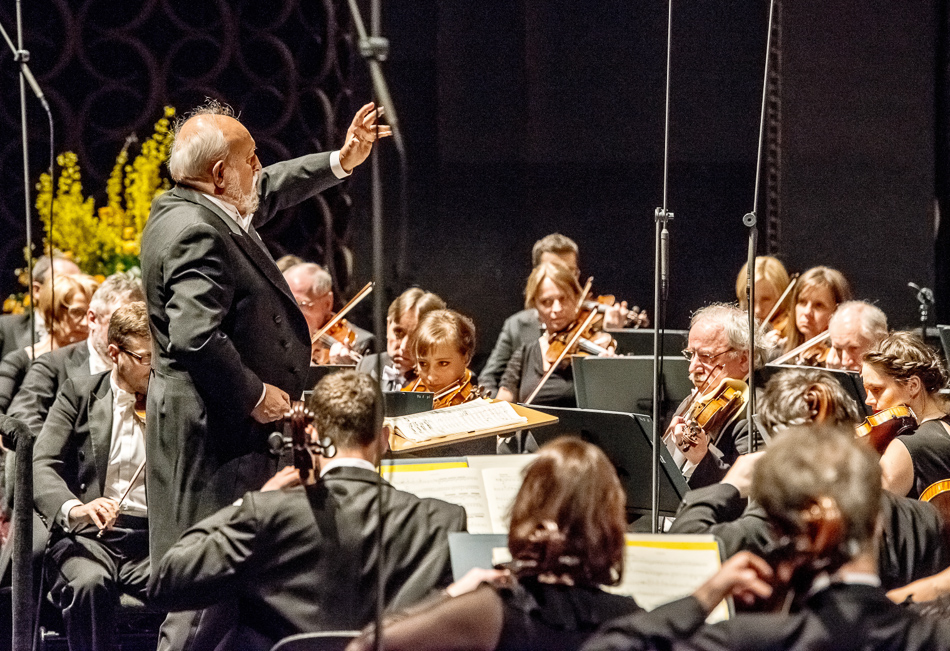
Over the years, Sinfonia Varsovia has played more than 4,000 concerts, performing in some of the world’s most prestigious concert halls under conductors such as Claudio Abbado, Emmanuel Krivine, Witold Lutosławski, Lorin Maazel, Jerzy Maksymiuk and Krzysztof Penderecki (who between 1997–2020 was the music director, and in June 2003 became the artistic director of the ensemble), and alongside such soloists as Piotr Anderszewski, Martha Argerich, Alfred Brendel, Gidon Kremer, Yunchan Lim, Eric Lu, Nikolai Lugansky, Anne-Sophie Mutter, Maria João Pires and Mstislav Rostropovich.
Sinfonia Varsovia has made more than 300 records, including for Decca, Deutsche Grammophon, Naxos, Sony, and Warner. The recorded repertoire includes works from the 18th century to the present day. A special place in the Orchestra’s concert program is occupied by the works of Polish composers; it has premiered numerous works by composers such as Henryk Mikołaj Górecki, Witold Lutosławski, Paweł Mykietyn and Krzysztof Penderecki.
Sinfonia Varsovia has initiated a competition for the architectural design of a music center with the largest concert hall in Poland. The investment is being made with financial support of the Capital City of Warsaw.
Since 2004, the director’s duties have been performed by Janusz Marynowski, a long-time musician of the ensemble, who succeeded Franciszek Wybrańczyk.